
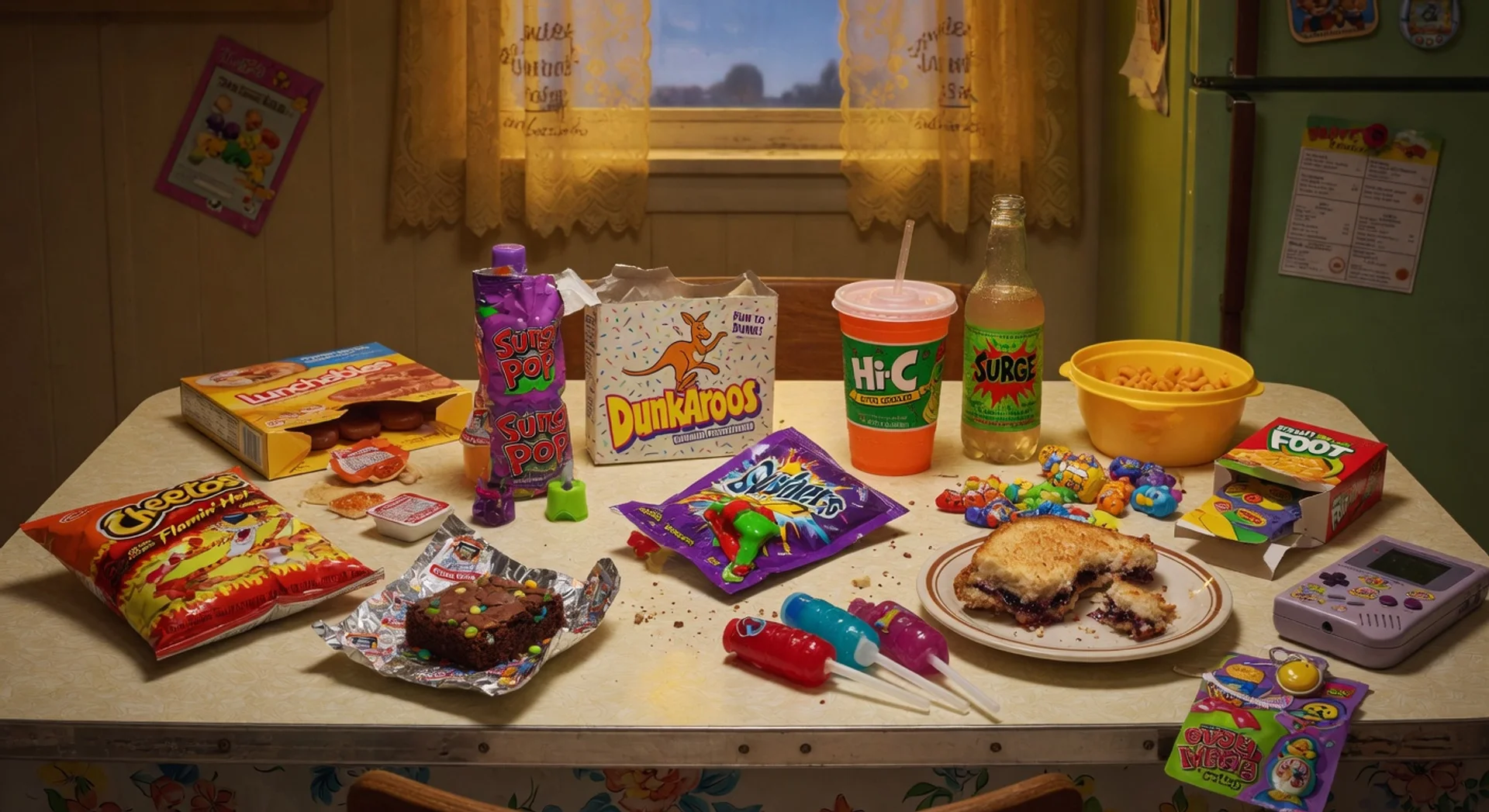
- Nostalgic foods are moving beyond retro gimmicks as consumers look for comfort, familiarity and small moments of joy during uncertain times.
- Restaurants and food brands are updating childhood classics with modern flavors, global twists and social-media-friendly formats.
Nostalgia is back on the menu.
From retro restaurant designs to updated comfort-food classics, food brands and restaurants are leaning into familiar flavors that remind people of childhood, family meals, school snacks and simpler routines.
The trend is not only about looking backward. It is about making the familiar feel new again.
In its 2026 Food and Drink Predictions, Mintel identified tradition, resilience and sensory experience as major forces shaping consumer behavior. In a period marked by economic pressure, climate uncertainty and fast-changing lifestyles, food is becoming one of the easiest ways for people to find comfort and emotional balance.
Nostalgia feels safe when everything else feels uncertain
One reason nostalgic food keeps returning is simple: people know what they are getting.
Retro dishes, childhood desserts, old-school snacks and traditional comfort meals carry emotional certainty. They do not ask consumers to decode a new trend or take a risk. They promise something familiar, warm and easy to understand.
FoodNavigator reported that consumers in the UK and Germany are gravitating toward foods that remind them of the past, with traditional expertise, fermentation, drying and pickling also gaining attention because they feel familiar and trustworthy.
That explains why nostalgia works especially well in food. A flavor can bring back a memory faster than almost anything else.
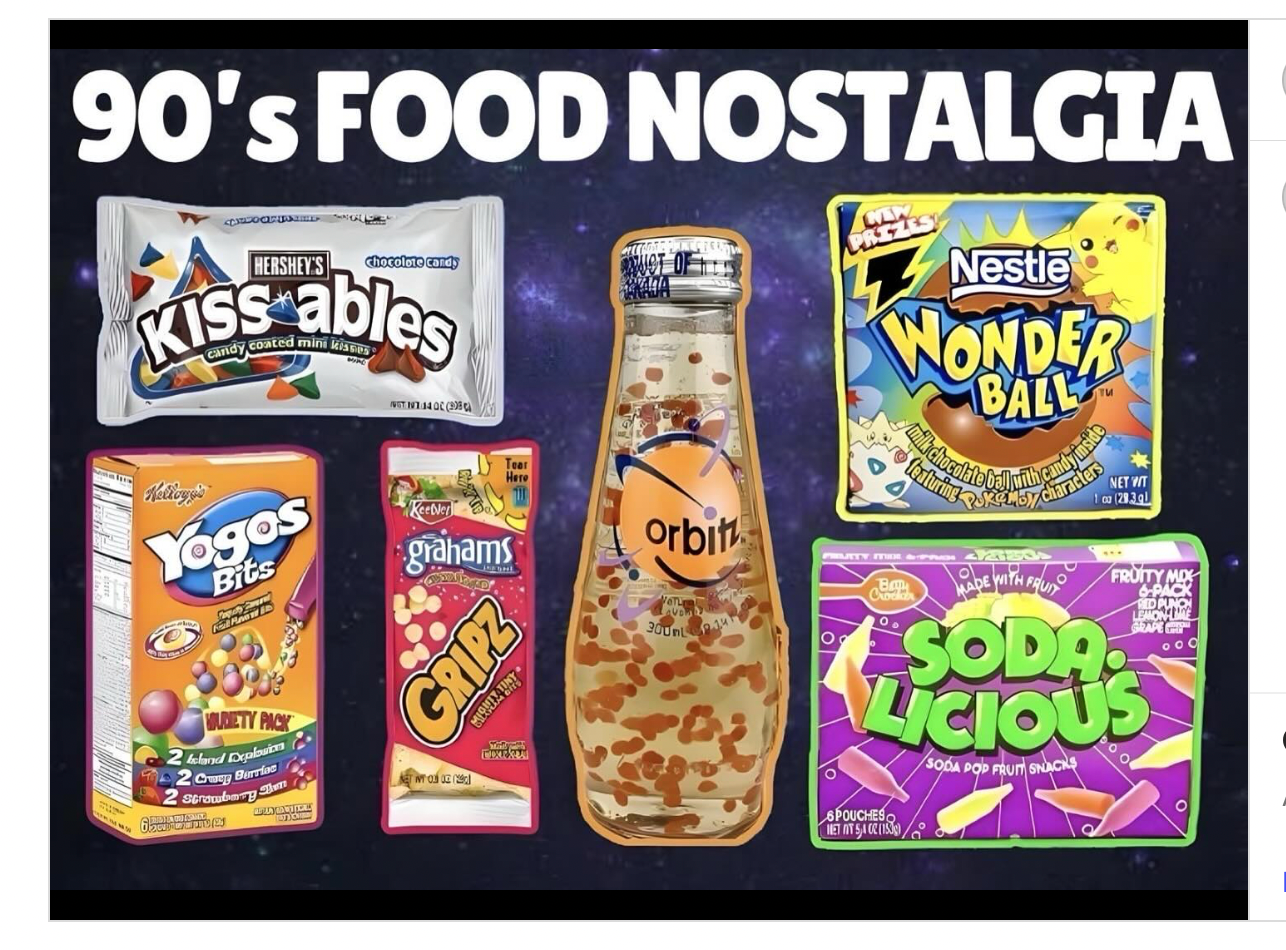
It is not just nostalgia. It is “newstalgia.”
The strongest food brands are not simply copying the past. They are remixing it.
That is why the trend is often described as “newstalgia”: old memories updated with new flavors, formats or cultural influences.
Food Dive described 2026 flavor trends as contradictory but connected: sweet yet spicy, new but nostalgic, comforting but adventurous. Consumers want food that feels familiar enough to trust, but fresh enough to be interesting.
That could mean cereal-inspired desserts, elevated milkshakes, nostalgic candy flavors in premium formats, mac and cheese with global spices, retro cakes with miso caramel or classic takeaway dishes reworked for a modern menu.
The memory is the hook. The update is what makes people talk about it.
Restaurants are bringing back retro comfort
Restaurants are also using nostalgia as part of the dining experience, not only the menu.
Pizza Hut is one of the clearest examples. According to the New York Post, some Pizza Hut locations in the US are reviving old-school restaurant features such as red-checkered tablecloths, vinyl booths, Tiffany-style lamps, salad bars, red plastic cups and vintage arcade machines.
The appeal is not only the pizza. It is the feeling of walking into a version of the brand people remember from the 1980s and 1990s.
That is important because many food brands spent the last decade modernizing their stores, menus and packaging until they became cleaner but less distinctive. Nostalgia gives them a way to bring back personality.
Gen Z is helping drive the comeback
Nostalgia is not only a millennial or Gen X trend.
Gen Z diners are also embracing retro and comfort-driven eating, often through social media. The Scotsman, citing OpenTable trend data, reported that younger diners are showing interest in retro comfort classics such as bangers and mash and prawn cocktails as dishes they would like to see on restaurant menus in 2026.
The interesting part is that younger consumers are not always nostalgic for something they personally lived through. Sometimes they are nostalgic for a mood, a visual style or a version of food culture they discovered through TikTok, Instagram, old packaging, family stories or pop culture.
That makes nostalgia more flexible. It can be personal memory, borrowed memory or aesthetic memory.
Comfort food is becoming more playful
Another reason nostalgia works now is that it fits the way people eat and share food online.
Comfort food is visual, emotional and easy to understand in one image or video. A retro dessert, a loaded sandwich, a nostalgic snack board or a bright diner-style milkshake does not need much explanation.
That is why nostalgic foods often perform well on social platforms. They trigger recognition quickly.
At the same time, consumers are not only looking for exact replicas of the past. They want playful versions: familiar formats with surprising toppings, bolder spice, global flavors or premium ingredients.
Food Technology Magazine noted that consumers are turning to flavors that excite, restore and comfort, with flavor mashups, sweet-spicy combinations and sour notes all shaping innovation.
Why food brands love nostalgia
For brands, nostalgia is powerful because it lowers the barrier to trial.
A completely new product has to explain itself. A nostalgic product already has emotional context. Consumers understand the reference before they taste it.
That can make a new launch feel safer. A cereal-inspired ice cream, a childhood candy flavor, an old-school soda, a retro biscuit or a modernized TV-dinner-style meal all start with something familiar.
But nostalgia only works if it feels specific. “Retro” as a vague theme is not enough. The strongest products usually connect to a clear memory: birthday parties, lunchboxes, diners, corner shops, school cafeterias, family holidays, cinema snacks or weekend takeout.
The risk: nostalgia can feel lazy
Not every nostalgic product works.
The weakest version of the trend is simply putting retro packaging on an ordinary product and calling it a comeback. Consumers can usually tell when nostalgia is being used as decoration rather than as a real product idea.
For restaurants, the same risk applies. A retro menu item has to taste good now, not only remind people of something they liked years ago.
The best nostalgia foods do two things at once: they create recognition and improve the original idea.
What comes next
The comeback of nostalgia foods is likely to continue because it sits at the intersection of several bigger consumer shifts: comfort, affordability, emotional eating, social media, heritage, flavor play and the search for small joys.
In catering and hospitality, Cater-Event reported that guests are looking for small moments of joy in 2026, including handheld comfort foods, nostalgic flavors with elevated execution and desserts that make people smile before the first bite.
That may be the best explanation for why nostalgia is back.
People do not only want food that tastes good. They want food that feels like something.

Jacob Anderson is a food journalist at EatGazette.com, covering culinary trends, food culture, and sustainability. He discovered his passion for storytelling while earning his journalism degree at the University of Wisconsin–Madison, where he first began exploring the deeper stories behind what we eat.